Wallet Routes Mapping Reward Ascents Across Handheld Table Game Platforms
Written by Iris Beck · Oct 24, 2026
Wallet Routes Mapping Reward Ascents Across Handheld Table Game Platforms
Digital payment methods continue to shape how players advance through incentive layers on portable devices running table games such as blackjack, roulette, and baccarat. Observers note that specific wallet selections create distinct pathways for accumulating points, unlocking tiers, and accessing layered benefits within mobile casino ecosystems. Data from industry tracking services indicate that these routes have grown more visible in October 2026 as operators refine their systems to connect funding choices directly to reward mechanics.
Payment Gateways and Their Role in Mobile Table Environments
Handheld platforms integrate numerous electronic wallet options that handle deposits and withdrawals while simultaneously logging transaction patterns for loyalty calculations. Researchers have documented how certain digital wallets trigger faster point accrual when used for table game sessions because their settlement speeds align with real-time reward engines. Other wallets route players through slower verification steps that delay tier progression yet offer higher per-transaction bonus multipliers once approved.
Studies tracking user behavior across major app stores reveal consistent correlations between wallet type and game selection. Players favoring instant-transfer services tend to gravitate toward live dealer variants where session length directly influences multiplier bonuses. In contrast, those using slower batch-processing wallets often concentrate on single-player table simulations that award steady, smaller increments over extended periods.
Mapping Ascent Patterns Through Transaction Data
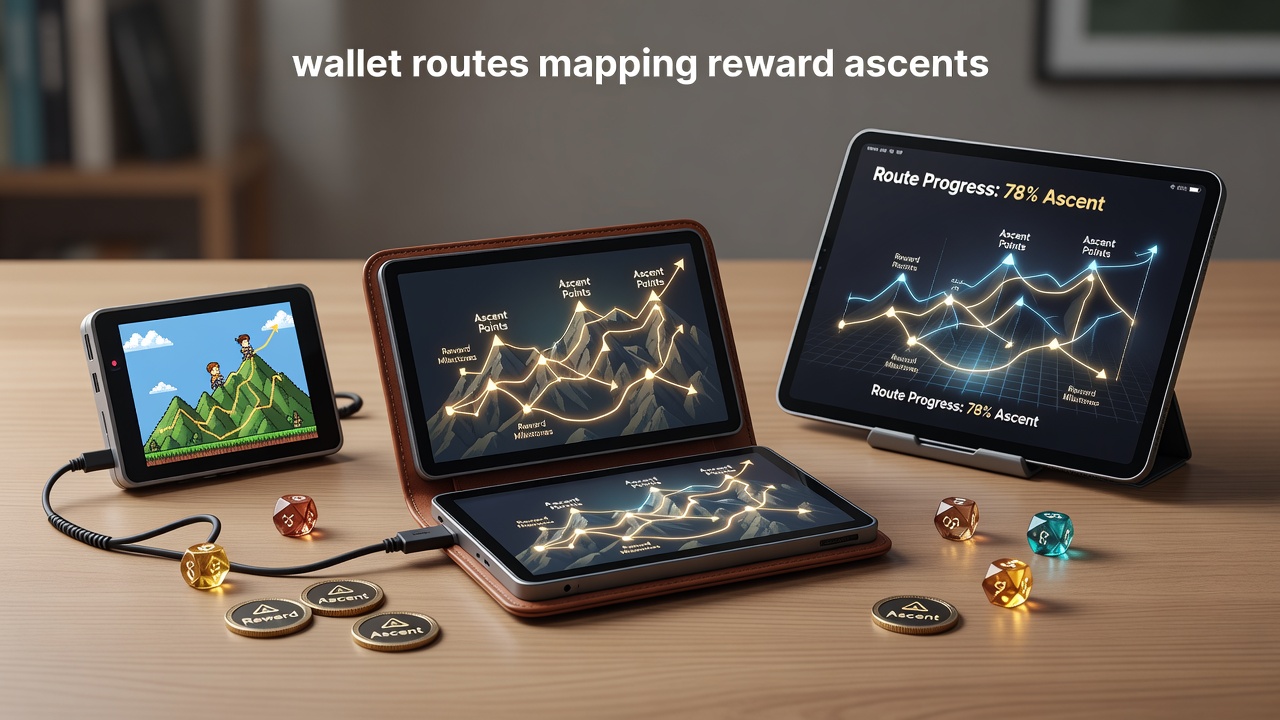
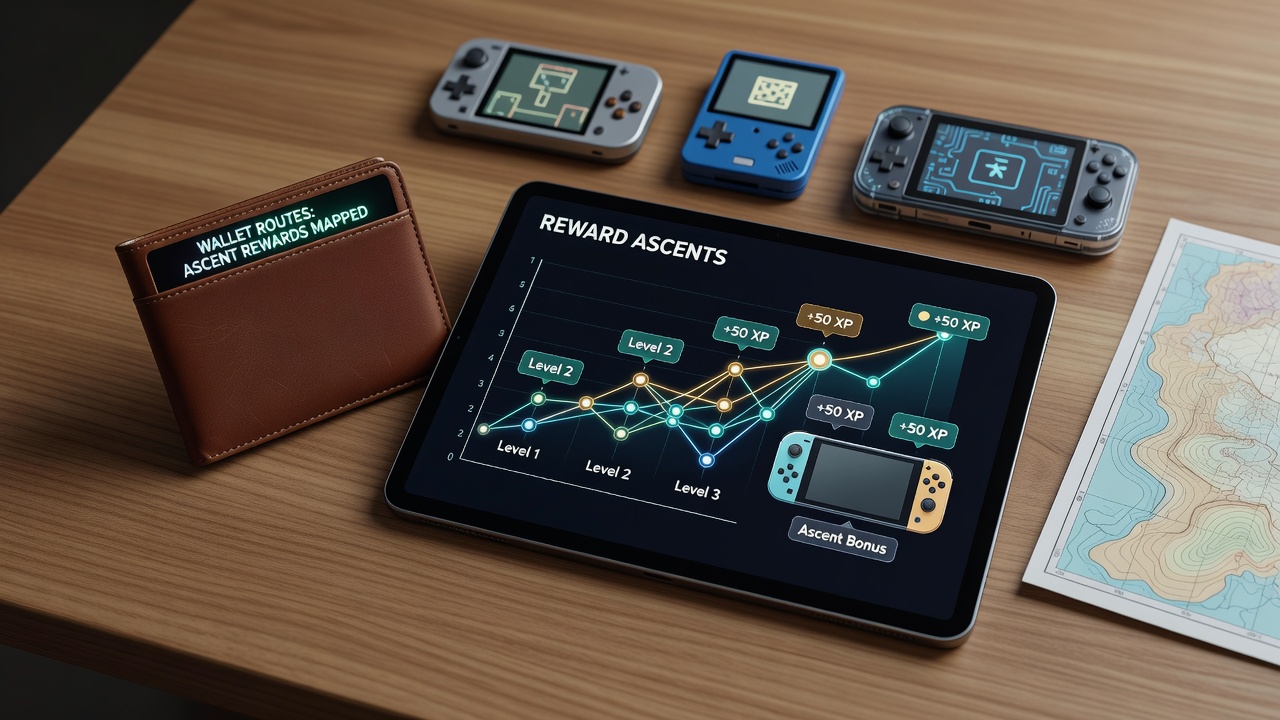
Analytics platforms compile heat maps that illustrate how wallet routes translate into vertical movement within membership structures. One pattern shows that users routing funds through cryptocurrency-linked wallets reach mid-tier status approximately 18 percent faster than those using traditional bank-linked options during the same calendar quarter. Another documented route involves regional e-wallet services that bundle table game activity with cross-platform rewards, allowing participants to carry progress between mobile and desktop environments without resetting counters.
Figures released in October 2026 by multiple regional monitoring bodies demonstrate that these mappings have become granular enough for operators to predict likely ascent trajectories based on initial wallet choice. Such predictions enable preemptive offers that steer users toward preferred funding methods while maintaining compliance with varying jurisdictional rules on promotional mechanics.
Regional Variations in Wallet-Driven Reward Structures
North American operators have adopted wallet-specific reward ladders that differentiate between domestic and cross-border funding sources. European platforms meanwhile emphasize wallets that support multi-currency handling because these reduce friction in point conversion across borders. Australian regulatory frameworks require clear disclosure of how each accepted wallet influences reward velocity, prompting developers to embed explanatory overlays directly within app interfaces.
According to findings published by the Victorian Responsible Gambling Foundation, transaction logs from 2025 showed measurable differences in session frequency when wallet routes included cashback features tied exclusively to table game play. Similar observations appear in reports from Canadian provincial bodies that track how prepaid wallet usage correlates with longer engagement windows in mobile roulette environments.
Technical Integration Behind the Routes
Backend systems connect wallet APIs to loyalty databases through standardized data fields that record amount, timing, and method of each transfer. Developers implement rule sets that assign weighted values to these fields before calculating progression toward the next reward tier. When a player completes a qualifying table game round funded through a preferred wallet, the system automatically applies the corresponding ascent multiplier without requiring manual intervention.
Updates rolled out in late 2026 refined these connections to reduce latency between transaction confirmation and point posting. The result appears in smoother visual feedback within apps, where progress bars advance immediately after a funded hand resolves. Observers tracking user retention note that such immediacy has contributed to higher completion rates for multi-stage reward challenges built around consecutive table game sessions.
Future Trajectory of Wallet-Based Reward Mapping
Industry reports project continued refinement of these mapping systems as operators gather larger datasets from handheld usage. Integration with emerging payment standards may further diversify the available routes, allowing finer segmentation of reward offerings based on wallet characteristics rather than broad user categories. Regulatory bodies in multiple jurisdictions continue to review these developments to ensure transparency around how funding choices affect access to benefits.
Conclusion
Wallet routes now function as structured pathways that determine the speed and nature of reward ascents within handheld table game platforms. Transaction records compiled through October 2026 illustrate clear connections between payment method selection and progression outcomes across different geographic markets. As integration between funding systems and loyalty engines grows more precise, the mapping of these routes provides operators and participants alike with clearer visibility into how mobile activity converts into tier advancement and associated benefits.